Back to Site
Showing posts with label child sexual abuse prevention. Show all posts

Wednesday, January 24, 2018

How to Talk with Children About Consent


Learning about boundaries and consent is a process that takes place over many years. Here are examples of conversations you can have with your children at different ages. I’ve also included examples of how you can model consent as well.

Infant: You’re sitting with a group of friends and family who are adoring your infant and you know that everyone in the room wants to hold your precious baby. You get to say “No.” For example, “I know you’re eager to hold my baby, but I’m still bonding and I’m not comfortable passing her/him around yet. Thanks for understanding.”

Toddler: “I’m washing your vulva now. Your vulva is your private part. There are only three people who are allowed to touch your vulva: You; Me, if I’m helping you clean it but you can say NO if you want to clean your vulva yourself; and the doctor, but only if I’m there.”

When a 2-year-old girls starts to learn body-safety rules, the cornerstone of consent, she might say, “My vagina is mine!” This is a powerful statement and puts into motion the building blocks for a young woman, who might say, “I’m not ready to have sex with you.” Or, “I don’t want to you to touch me like that.”

Young Child: Now consider two children at the playground and one takes a toy from another. This is a great teachable moment about consent. You might say, “Darius, did you ask Gracie if you could use her shovel? Remember, you have to ask first and she has the right to say ‘Yes’ or ‘No.’

Here is how you can tell if a 5-year-old-boy is starting to learn about consent: “Mom, Gracie won’t let me play with her shovel?” “Well, Darius, you have to ask Gracie because it’s her shovel. What could you say to her?” Assuming you don’t stop teaching about consent in the playground, your parenting lessons will produce the young man who is able to say, “May I kiss you?”

Tween: Ivan and his dad are roughhousing, and Mom hears Ivan say, “Stop,” but the roughhousing continues and Mom also hears Ivan laughing a bit. This is a great opportunity for Mom to say, “Hold up guys. I just heard Ivan say stop, but you’re still wrestling. Remember that we’re a family that values consent. Ivan do you want to keep wrestling? Is there anything in particular you want your dad to stop doing?”

Here’s what a tween might say at this point, at least one who has consistently been taught about consent: “I want to keep wrestling, but I don’t like it when you poke my sides.”

Parents: Parents can model and reinforce consent all the time. Let’s say Dad’s mother comes over and asks Gracie for a hug. Dad can say to his mom, “I know you love to hug Gracie, but we’re teaching her that she gets to choose if and when she gives and receive hugs, so she knows that if she’s ever uncomfortable with touch from anyone, she has our permission to refuse.”

Here’s what a child might say in this situation if they’ve consistently been taught and supported around consent, “Maybe later, Grandma, I don’t feel like it right now.”

Some children are super affectionate and run up to other people to give hugs. These kids also need to be coached to ask first. “Liam, I know you love to give hugs, but it’s important to ask first before you touch someone else because each person is the boss of their own body. How might you ask Levi’s permission?”


Here’s another example of a parent modeling consent. Let’s say you see your child’s coach pat your child on the buttocks, while uttering, “great job!” This is your moment, parents. After practice you might say, “I noticed that you patted my son on his buttock. We are teaching our son about the importance of consent around physical touch and I would appreciate it if you would not do that.” If all parents could do this, we’d welcome a sea change in our culture.

Sunday, August 27, 2017

What's Your School Doing to Keep Your Child Safe from Sexual Abuse?

Talking with the Director
Just as you would talk with the director about curriculum, teachers, meals, and play safety, it's also important to ask about policies and practices that will help keep your kids safe from sexual abuse. Please don’t let your discomfort stand in the way of this important back-to-school conversation. Ask the director about background checks for all adults in the building: teachers, staff and even volunteers. Most sex offenders, however, are never caught so they don’t end up on the National Sex Offender Registry. This means it’s also important to ask about reference checking and interviewing. Ideally, the director includes interview questions about the appropriate and inappropriate touch of children.

Also ask about these policies:
1)  Adults spending time alone with children
2)  Appropriate / inappropriate touch of children by adults
3)  Appropriate / inappropriate touch of children by children
4)  Diapering, toileting, and changing clothes

Because one-third to one-half of all sexual abuse is committed by youth, it’s also important to learn how staff intervene in children’s sexual behaviors, both appropriate and concerning. Ask questions about how staff are trained to recognize age-appropriate and harmful sexual behaviors, and the protocol for responding to both.


Policies, however, aren’t enough, so you might ask how practices are monitored. As you are talking with the director, look for open and forthcoming communication.

Touring the SchoolAs you walk through the school, look at the physical layout and make sure there are no spaces where an adult could be alone with a child or a child could be alone with another child. All of the spaces where children study, play, and interact should be open and easily visible. Doors should have windows and bathrooms should not contain areas where children can be isolated. In preschool environments, pay close attention to diaper changing areas.


Meeting the TeacherIf you don’t have a chance to meet your child’s teacher before the first day of school, it's never too late to have a conversation with him or her about your child’s body-safety rules. For example:


“I wanted to tell you that we have been teaching our son, Jamie, some body-safety rules. Perhaps you have heard him exclaim that he is the boss of his body! I also wanted to let you know that our son does not keep secrets. While we will encourage him to follow your safety rules, we have also told him that that if anyone asks him to do something that breaks one of his body-safety rules, he has permission to say ‘No’ and tell us right away.” 
Training for Staff, Parents & ChildrenThe strongest child abuse prevention programs include regular education. At a minimum, look for annual staff training that covers myths and facts about sexual abuse, school policies, appropriate and inappropriate touch of children, and the warning signs that someone is abusing or being abused.

Tuesday, January 24, 2017

Your Top 10 Questions About Body Safety

1.  At what age should I begin talking with my kids about body-safety? 

Parenting Safe ChildrenIt's never too early or too late to start talking with children about their body safety, as long as the information is age-appropriate and
presented without fear. For example, when you're bathing your 18-month-old daughter, you might say:

"Mommy is cleaning your back and your legs. Now Mommy is helping you clean your vulva. Your vulva and vagina are your private parts. You're the boss of your body."

As your child gets a little older, you would add to the body-safety rule: "Your vulva and your vagina are two of your private parts, and no one is allowed to touch your private parts unless you need help cleaning them, or your private parts are hurt or sick and the doctor or nurse needs to examine them. And I will always be in the room if the doctor has to look at your private parts."

In the words of a two-year-old child, whose mother has been teaching body-safety concepts for over a year, "My vagina is mine!"

If you have a six-year-old child and you have not discussed body safety yet, you certainly can begin now. When your adorable child strips off his/her clothes running around the house, giggling while the neighbors are over, you can teach your child that when there is company in your home, clothes stay on, and private parts stay covered.


2.  When should my kids stop bathing with each other and when should I (we) stop being naked in front of them?


It is common for children to begin showing modesty around age seven or eight, but it could be as early as five, or even either side of ten. Your child may seek greater privacy when he or she gets dressed or uses the bathroom, and your child may tell you that he or she does not want to bathe with siblings any longer.

If your child doesn't express modesty through privacy requests, you might bring up the topic through teachable moments. For example, when siblings are bathing together, you might say:

"If at some point either of you prefer to bathe without your sister (or brother), that's perfectly fine because in our home we respect each others privacy."

I want to acknowledge that separate bathing, with two or more kids, means more work for parents, so you might consider other ways to
reinforce privacy.

A word about nudity: Depending on your values, you may or may not be comfortable with nudity in your home. If you do allow nudity, be sure to reinforce body-safety rules and consider introducing boundaries if any family member expresses discomfort. Also be sure to have everyone clothed when other children or adults are visiting your home.

3.  Do I have to ask permission every time I kiss or hug my child?


In Parenting Safe Children workshops and in my book, Off Limits, I discuss the importance of allowing children to choose if, when, and with whom they hug and kiss. Why is it so important to give children this choice? Because by teaching children early on about boundaries, you are setting the stage for mutual respect and consent throughout their lives.

Parenting Safe Children
 And it turns out that a child who can say "No" to a loved one in a safe environment has a better chance of saying "No" if approached in an unsafe situation. For this reason, I recommend getting consent, particularly with younger children. You might say, "May I have a kiss?" or "Do you want a kiss?" When you ask, and a child grants or denies permission, you are empowering your child to be the boss of his or her body. And sometimes, a child who feels empowered will then rush over to hug you; on the other hand, if your child runs off asserting his/her right to choose, you can feel good knowing that you are helping your child understand the ever important concept of consent.

With older kids, you can also read body language, and when you know your child doesn't want to be smothered with kisses, just name it -- e.g., "As much as I want to give you hugs and kisses, I can see you don't want them now and that's your choice. You always get to choose whether you want to be touched, or not."

If you're having trouble bringing a family member on board with this body-safety rule, please share this newsletter and invite that individual onto your prevention team.

4.  If my child doesn't ask questions or seem curious about sex, should I bring it up?  


Yes! Be proactive and look for teachable moments to open conversations. Some children are reluctant to ask questions about sexuality, or just don't ask a lot of questions in general. Your child may never ask, but it's still important for you be their first correct source of information.

You can normalize conversations about sexual development at different stages in your child's growth. For example, if your five-year-old child stares at your menstrual blood in the toilet but doesn't ask questions, use it as a teachable moment and provide basic information. "Mommy has her period right now which means there's some blood coming out of her vagina. Mommy is not hurt. The blood is coming out because Mommy is not growing a baby. When a baby grows, the blood feeds the baby."

Your child might say, "Oh" and run off to play, but you've started the  conversation and have let your child know that no topics are off limits. When discussing sexual development with children, all you ever have to do is just give the facts and tell the truth.

5. What if I teach my seven-year-old child about sex and he/she tells friends about it?

Parenting Safe Children
 Of course kids are going to discuss sex with their friends! It's fascinating, right?

I recommend being proactive by letting your children's caregivers know that you have discussed sex. If your child has a best friend, you might even tell his or her parents. In the same conversation, reinforce your child's body-safety rules.

Remember to avoid saying to your child, "Don't tell your friends about sex." If you do so, you'll be contradicting your "no secrets" rule, and kids will tell their friends anyway. If it's really a concern to you, you might say: "Many times parents like to be the ones to teach their children about sex, so let's let Liam's parent(s) tell him when they're ready."

6.  How do I know if my toddler is safe? She can't tell me if someone has broken a body-safety rule?

The fewer caregivers you have, the lower the risk of abuse. If you don't have the option of limiting caregivers, be sure to talk with every caregiver about your child's body-safety rules and invite each one onto your prevention team.

While screening is your best prevention tool, it's also important to know the signs of sexual abuse. (See Off Limits: A Parent's Guide to Keeping Kids Safe from Sexual Abuse.)

 7.  How do I speak with my children about touching their own genitals?

Like any other conversation with children, talk about touching genitals candidly, accurately, and perhaps most importantly, without shame. Your child will present you with ample teachable moments to introduce and reinforce body-safety concepts alongside your values, and it really is possible to answer kid's questions in an age-appropriate way.

Consider this common situation: Your child has her hands in her pants. It could be in public, when relatives are visiting, or while playing with other children, but here's what a response might look like:

"It's okay to touch your vulva/vagina, but that's something you do when you're by yourself. Your vulva and vagina are private parts of your body, so you touch them when you have privacy."

And then you would redirect your child's attention to something else.

It's even okay to acknowledge pleasure. Consider this exchange between a Dad and his 4-year-old son:

"Dad, look It's so big and purple!"

"Yes, that's because when you touch your penis it feels good."

Fast forward to fifth or sixth grade, and now age-appropriate discussions might include nocturnal emissions and an explanation that an orgasm is a pleasurable feeling that comes from your penis being touched -- and that it's normal and okay. Remind your child that he can touch his own penis but others cannot until he gives consent as an older teen or adult.

I know talking about masturbation may be uncomfortable, but just like you nurture your child's emotional, spiritual, and physical development, it's important to nurture your child's sexual development. Why? Sexual offenders look for children who are uninformed about sex so the offender can teach the child. The more you're available to your child with information about sex and
sexuality, the more likely your children will go to you for information, and the less vulnerable your child is to sexual abuse.

8.  If I teach my kids about sex in primary school, isn't it going to make them curious to try sex?

Parenting Safe Children

Contrary to popular belief, talking to kids about sex does not make them go out and have sex. Not talking about sex and sexuality, however, does contribute to misinformation, confusion, shame, and body image issues. And most pertinent to this discussion, talking with children about sex and sexuality, in an age-appropriate way, empowers children and teens around body safety. It lets them know that no topic is off limits, which makes kids more likely to speak with you about both safe and unsafe situations.

You can certainly reinforce your values while having conversations about sex. For instance, "I'm really glad we can talk about sexuality because I don't want you to be confused or get misinformation from other kids. In our family we really value ..."

9.  Do sex offenders "groom" children in front of other people?


Yes, sometimes offenders will groom right in front of you because they want to desensitize you to grooming behavior. Consider this situation: A neighbor spends more time playing with children than adults, and is seen pulling up a child's shirt and tickling a child's belly. By engaging in this seemingly playful behavior in front of you, the offender wants you to think, "Gosh, he's so great with kids," and hopes you will not set boundaries.

I am not suggesting that all adults who play with and tickle kids are offenders, but rather that it's important to learn the signs of grooming, which I discuss in Off Limits and the Parenting Safe Children Workshop.

10.  What happens when a report of child abuse is made to Child Protective Services (CPS)?

 Child Protective Services (CPS and sometimes called Department of Children & Family Services) is a government agency and its mission is to keep kids safe. When you report actual or suspected abuse to CPS, a screening team reviews the reported incident and determines, based on the state's criteria, whether to investigate it. If the incident does not meet the state's criteria, the report is kept on file anyway, which is why it's important to report suspected abuse. If the incident does meet the state's criteria, the child is interviewed by a qualified interviewer who determines if the child is in imminent danger and what action should be taken. When the alleged offender is not a family member, law enforcement may get involved; otherwise, social services remains involved.

Remember, the purpose of making a report is to protect the child. CPS wants to keep families together. 


For more information about keeping children safe from sexual abuse, visit parentingsafechildren.com

Saturday, December 24, 2016

Grandma Wants a Hug – Teachable Moment

Parenting Safe Children ImageThe holidays are a time of greetings and affection, so it’s particularly important to remember that children and teens are safer when they get to choose when and with whom to show affection.

If a family member or friend wants to greet your child with a hug or kiss, and your child does not want to, then seize this teachable moment and stand up for your child by modeling healthy boundaries and communicating clearly.

Grandma: “Oh, it’s so good to see you. Give grandma a hug.”

Mom or Dad: “I know you’re a hugger, Mom, but we’ve taught Darius that he gets to choose when he shows affection and it looks like he doesn’t want to hug right now. Darius, is there another way you'd like to greet grandma besides hugging her."

I know how natural it is for parents and grandparents to want to shower their children and grandchildren with hugs and kisses, but giving children a choice about physical affection teaches that consent matters.

It is never a child’s job to manage the feelings of other people. For more on this topic, check out the Parenting Safe Children December 16 post on Facebook.

When Children Play – a Teachable Moment

Parenting Safe Children - ImageYou’ve just eaten a big meal and the children, of all different ages, are restless. They want to go play while the adults linger over coffee. What kind of supervision is required to ensure everyone’s safety?

Children can get into scenarios while playing which can be compromising. Remind kids to keep the doors open and review body-safety practices with them. Also let the kids know to come ask if they need anything and let them know that you’ll be in to check on them from time to time.

As children go off to play, remind both the children and the adults about your family’s four body-safety practices:

  • Everyone plays with their clothes on.
  • No one touches private parts.
  • We don’t keep secrets.
  • If you feel unsafe in any way, come tell a trusted adult.
Pay particular attention to much older children who are playing with much younger children—i.e., an age difference of four or more years. Consider these scenarios between Justin (14 years old) and Jaime (6 years old), and note the behaviors of potential or actual concern:
  • Jaime repeatedly pulls Justin out of the group of kids and disappears with him. (teen isolating a child from larger group)
  • Justin squeezes Jaime’s buttocks several times. (sexualized teasing)
  • Justin squeezes Jaime’s buttocks when Jaime has asked him to stop. (poor boundaries)
  • Justin shows Jaime an adult porn magazine. (sexually harmful behavior)
  • Justin swears Jaime to secrecy about a special place in the basement. (secrecy)
Children need supervision regardless of the setting. Listen to your intuition and speak up if you feel uncomfortable. By communicating safety practices in front of other adults, you are modeling prevention and opening the door for conversation.

Air Travel for the Holidays – Teachable Moment

Whether you are traveling over the holidays or sometime in 2017, here are some body-safety conversation tips for talking with your children about airport security, x-ray machines, and pat downs.
Parenting Safe Children Image

  1. Talk with children about airport and airplane rules. With young children (< age 8), have this conversation on the way to the airport. With older children (ages 8+), you can have the conversation further in advance if you wish. Language for young children: People who work at airports have rules we must follow just like at home, school, and other places. These rules keep everyone safe.
     
  2. Compare airport safety to other kinds of safety. Language for young children: Just like you have to sit in your car seat when we drive or wear a helmet when you ride your bike, there are certain rules at the airport. To make the topic of safety less scary, weave in general safety expectations.
    Language for young children: On the plane, we stay in our seats unless we are using the toilet. We keep our seat belt on at all times.
     
  3. Explain to children what to expect. Language for young children: We’ll check our bags and then we’ll stand in a line where we have to take off our shoes, jackets and belts. Then we’ll go through a metal detector or x-ray machine. In addition, a person who works at the airport and wears a uniform may have to touch our bodies over our clothes to make sure we are safe to get on the airplane.
     
  4. Answer questions directly and simply. Provide more details if your children are older and ask more questions. Language for young children: Because no one is allowed to take a knife or scissors or nail clippers on airplanes, and sometimes people forget to leave them home.
     
  5. If a pat down is requested, use this as a teachable moment to assert the body-safety rule on touching private parts. Language for young children: We've talked about body-safety rules and you know that no one is allowed to touch the private areas of your body except when the doctor needs to examine you and Mom or Dad is in the room with you. Well, this is another exception. The airport person may need to touch your body over your clothes. This is the only time someone can do this at the airport and I will be with you.
As always, try to make prevention fun. You might play a “what if game” to reinforce body safety at the airport, while including other situations as well.
  • What if someone else in the airport tried to touch your body—what would you say and do?
  • What if your babysitter wanted you to keep a secret—what would you say and do?
  • What if a kid at school wanted to look at your private parts in the bathroom—what would you say and do?
The answer to all of these questions is the same:
  1. Say “NO!”
  2. Go tell a trusted adult.

Monday, June 6, 2016

Three Questions Every Parent Should Ask This Summer!

Parenting Safe ChildrenIt’s never too late to talk with your camp or summer program director about child sexual abuse prevention. Here are the three must-ask questions:

1.  Beyond background checks, what is the screening process for new hires?


Look for camps & programs that have a three-part staff interview process:  Background checks, personal interviews, and reference checks. Background checks alone are not enough because most people who sexually abuse children are never legally identified and won’t come up on a background check. Interviews should include questions about counselors’ boundaries with children and a discussion of the camp’s zero tolerance of sexual abuse. The reference check might include a question about how the candidate upholds boundaries with children.

2.  What kind of child sexual abuse prevention training do you offer staff and volunteers?


Camps typically provide orientation for staff. Find out if and how the orientation includes training about child sexual abuse prevention. The training should dispel common myths about sexual abuse, introduce body-safety policies, cover how sexual abusers groom children, and identify warning signs that someone is abusing or being abused.


3. What specific policies are in place to minimize the risk of child sexual abuse at your camp? 


Make sure there is a rule for adults spending time alone with children (two adults to one child); appropriate and inappropriate touch of children by adults – and by other children. If your child is going to a sleep-away camp, also ask about showering policies and sleeping arrangements.

Up to 50 percent of child sexual abuse is committed by youth, so it’s important to discuss policies for older kids spending time with younger kids. Just as a counselor should never be alone with a child, an older camper should not be spending time one-on-one with a younger camper either.

PSC Conversation-Starter Cards


If you’re not sure how to start a safety conversation and invite someone onto your prevention team, check out the Parenting Safe Children Conversation-Starter Cards! 

Wednesday, May 11, 2016

Prevention or Discrimination?


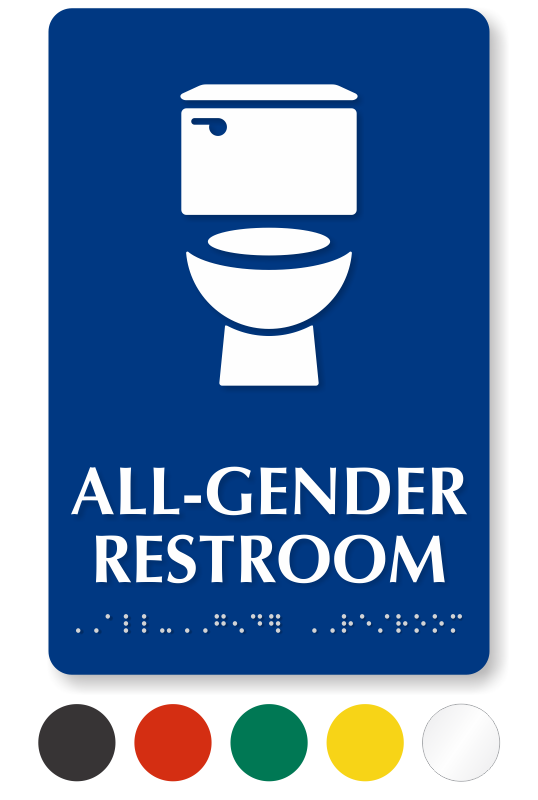
http://images.mydoorsign.com/img/lg/S/all-gender-restroom-toilet-sign-se-6055.png


I’ve been asked a lot of questions lately about transgender men and women using bathrooms and parental concerns about sexual abuse. 

North Carolina’s House Bill 2 law and similar legislation ban people from using public bathrooms that do not correspond with their biological sex. Proponents of such legislation argue that it’s important because men might otherwise enter women’s restrooms and attack young girls.


Well, I’ve got news for you: You have been sharing public bathrooms with transgender men and women long before North Carolina passed House Bill 2 and well before Target announced a policy allowing transgender people to use the restroom of their choice. We didn’t worry then and we shouldn’t worry now – if people simply embrace fact over myth, acceptance over fear, and follow basic Parenting Safe Children safety rules.


First the facts:
  • There are hundreds of nondiscrimination measures in place across the United States, and according to law enforcement officials, there has not been a surge in bathroom victimizations. Here’s why:
  • 90% of child sexual abuse is committed by someone the child knows and trusts, who is already in their life – not by strangers.
  • Child sexual abuse takes place in homes, youth organizations, schools, camps, places of faith – not typically in retail or large public bathrooms.
  • People who sexually abuse children typically “groom” children and teens over days, weeks, and months. The abuser is not just alone with the child, but has authority over the child and takes advantage of the child’s trust.
Yes, it’s important to teach children safety rules about using public bathrooms, just like you would educate your child about safe practices for walking home from school. For instance, teach your child to use public bathrooms in groups of two or more and to let an adult know when separating from a larger group to use the restroom. If it’s a younger child, you’ll either be accompanying him or her, or standing outside the door.

In the absence of facts, I believe that people are contributing to a climate of discrimination that hurts transgender people – and does nothing to keep children safe from sexual abuse. In fact, discrimination not only hurts the group whom it targets, but in this case it’s a dangerous distraction. I urge people to redirect their focus to meaningful ways of keeping children safe.

  1. Educate yourself about grooming behaviors so you can spot behaviors of concern.
  2. Teach children the difference between secrets and surprises. A secret is something that someone asks you “never” to tell and makes you feel uncomfortable. A surprise is something that makes you feel good and will come out into the open like a gift or a party.
  3. Maintain a “No secrets” policy in your home. Let your kids know that you don’t have secrets, only surprises. Instead of saying, “Don’t tell Mom I let you stay up tonight or we’ll both get into trouble,” you might say, "I'll let you stay up late tonight and if Mom and I disagree about bedtime, we'll work it out. It's not your problem."
  4. Discuss boundaries around touch with all of your child’s caregivers, including family members, coaches, teachers, and faith leaders. Let each person know that your child does not keep secrets and has permission to tell you everything.
  5.  Let adults know that your child has permission to say, "No" if he or she ever feels unsafe.
Parenting Safe Children proudly stands in unison with 250 national, state and local organizations, that work with sexual assault and domestic violence survivors, in supporting equal bathroom access for transgender people.

Test your Knowledge about Child Sexual Abuse.


Friday, April 3, 2015

I Want Every Parent to Ask Me Five Questions

By Nancy James, Executive Director, Montessori Academy of Colorado

When you walk into our school, you’ll see a sign, “Welcome, Montessori is about celebrating children and supporting a child’s independence—and we are a body-safe school. We added the last part because we want parents to know right away that we take child sexual abuse prevention very seriously. But I still want every prospective parent who walks into my office to ask me these five questions:
Montessori Academy of Colorado
  1. What policies do you have in place to reduce the likelihood of child sexual abuse?
  2. What are your specific policies for adults spending alone time with children; for the appropriate and inappropriate touch of children; and for diapering, toileting, and changing clothes?
  3. How do you monitor your child sexual abuse prevention practices?
  4. What questions do you ask prospective hires to screen for sexual offenders?
  5. What kind of training do staff, volunteers, parents, and children receive on preventing child sexual abuse?
When every daycare facility and school has policies in place that are regularly monitored, then our communities will be stronger and safer for kids. And how can we make this happen? You – parents. The more parents who invite school administrators, teachers and staff onto their family’s prevention team, the more pressure there is on youth-serving organizations to implement policies and train staff in prevention child sexual abuse.

If you haven’t already seen it, check out this Parenting Safe Children Screening Video which features a parent asking me questions about our policies.

Thursday, August 22, 2013

How is Your Child's School Reducing the Risk of Child Sexual Abuse?

Talking with the Director

Parenting Safe Children
Just as you would talk with the director about curriculum, teachers, meals, and play safety, it's also important to ask about policies and practices that will help to keep your kids safe from sexual abuse. There have been far too many cases of sexual abuse in schools, to let this topic, however uncomfortable, be overlooked.

Ask the director about background checks for teachers, staff and even volunteers. Most sex offenders, however, are never actually caught so they don’t end up on the National Sex Offender Registry. This means it’s also important to ask about reference checking and interviewing. Ideally, the director includes interview questions about the appropriate and inappropriate touch of children.

Also ask about a range of policies:
1)    Adults spending alone time with children
2)    Appropriate and inappropriate touch of children by adults
3)    Appropriate and inappropriate touch of children by other children
4)    Diapering, toileting, and changing clothes

Policies, however, aren’t enough, so you might ask how practices are monitored. As you are talking with the director, look for open and forthcoming communication.


Touring the School

As you walk through the school, look at the physical layout and make sure there are no spaces where an adult could be alone with a child. All of the spaces where children study, play, and interact should be open and easily visible. Doors should have windows and bathrooms should not contain areas where children can be isolated. In preschool environments, pay close attention to diaper changing areas.

Meeting the Teacher

If you don’t have a chance to meet your child’s teacher before the first day of school, it's never too late to have a conversation with him or her about your child’s body-safety rules. For example:

“I wanted to tell you that we have been teaching our son, Jamie, some body-safety rules. Perhaps you have heard him exclaim that he is the boss of his body! I also wanted to let you know that our son does not keep secrets. While we will encourage him to follow your safety rules, we have also told him that that if anyone asks him to do something that breaks one of his body-safety rules, he has permission to say ‘No’ and tell us right away.”


Training for Teachers, Staff, Parents & Children

The strongest child abuse prevention programs include regular education. At a minimum, look for annual staff training that covers myths and facts about sexual abuse, school policies, appropriate and inappropriate touch of children, and the warning signs that someone is abusing or being abused.

(This article by Feather Berkower originally appeared in Dr. Greene. Dr. Greene uses information technology to make pediatric wisdom more accessible.)